Looking for Halal food in a new place can be challenging, especially if you don’t know the area well. But good news if you’re living in or planning to visit Ireland! More and more restaurants in Ireland are offering Halal food options.
You can find Halal-friendly places to eat in big cities like Dublin, scenic places like Cork, or cultural spots like Galway. Most tourists use the Halal Restaurant Directory to find the appropriate food choices while touring the beautiful landscapes.
As more Muslims live in or visit Ireland, many Ireland Restaurants are getting Halal certified. This is great for everyone because it adds more food choices and helps people from different backgrounds come together over a good meal.
Other than the designated restaurants, traditional Irish restaurants are also trying to attract clients seeking Halal food. You can see Halal certificates in most eateries for this very reason.
Halal food is meant for Muslims only because they have few rules and restrictions regarding their diet options. But with increased tourism, tasty choices, and proven benefits of Halal cuisines, it is also getting popular among other ethnicities.
What Kind of Food You Can Find In Halal Restaurant Directory In Ireland?
Halal Restaurant directory serves as a comprehensive guide, usually listing restaurants, eateries, and stores with Halal options, complete with information like location, reviews, and Halal certification status.
Here’s a more elaborate look at what you can expect:
Traditional Irish Cuisine
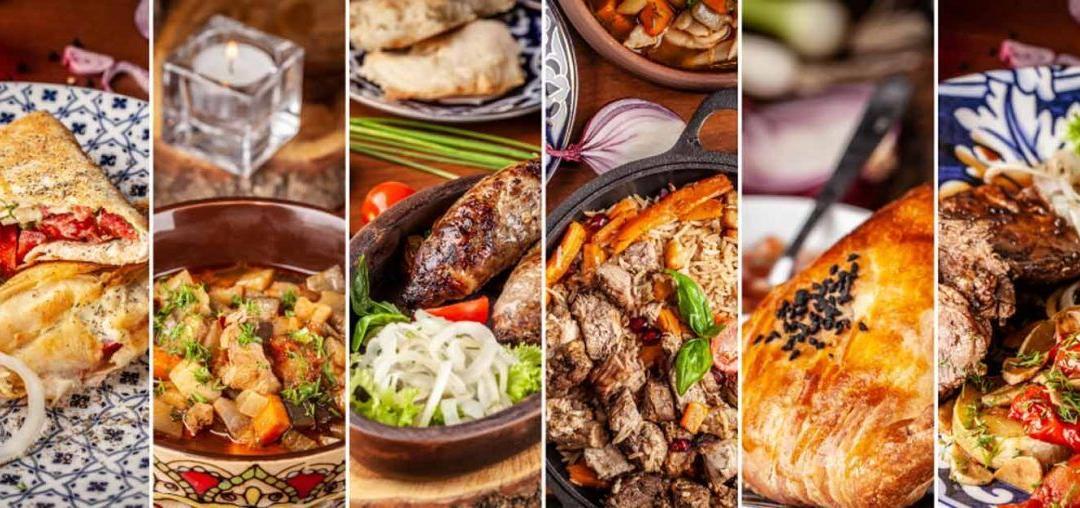
Halal Irish Stew is getting popular among tourists these days. This classic comfort food in Ireland is usually made with potatoes, carrots, and meat. In the Halal version, the meat is Halal-certified, often lamb or beef.
Halal Fish and Chips is another Irish local dish infused with the tourist’s likings and tastes. Fish is generally considered Halal, so you can savor this British-Irish favorite without worry. It consists of battered and deep-fried fish, usually cod, served with fries.
Middle Eastern Fare
Shawarma is one of the famous foods of Arab countries. It is now widely consumed in Ireland because of its rich taste. This involves layers of marinated Halal meat (usually chicken, beef, or lamb) cooked on a straight rotisserie. It is commonly served on a plate or as a wrap in flatbread.
Falafel and Hummus are vegetarian options for those who do not like meat in their food. These are vegetarian dishes made primarily from chickpeas. Falafel is deep-fried chickpea balls, while hummus is a creamy chickpea dip.
Arabic Kebabs are something that Irish locals and tourists find on Halal Online Restaurant Business Plan. These are skewers of Halal-certified meat like chicken, beef, or lamb, often served with a side of rice, salad, or bread.
Asian Delights
Halal Sushi is something that Ireland opted for from Japan to serve Muslim clients. While sushi often consists of seafood, usually Halal, some specialty rolls might contain non-Halal meat. Halal sushi ensures all ingredients are Halal.
Halal Ramen is another example of Ireland’s fusion to cater to clients. Traditional Japanese noodle soup can be made with a Halal chicken or beef broth and topped with Halal meat.
Indian and Pakistani Specialties
Curries are the beauty of indo-pak cuisine. Irish restaurants create a beautiful fusion using Halal ingredients in them. These could be meat-based or vegetarian, featuring a rich, flavorful sauce. All meat used is Halal-certified.
Biryani is a popular dish that needs no introduction. A famous rice dish spiced with exotic herbs and usually mixed with Halal-certified chicken, beef, or lamb.
Mediterranean Eats
Halal Tapas is one of the most consumed options in Irish restaurants. These small Spanish dishes range from Halal-certified meatballs to stuffed grape leaves.
Halal Paella seems unusual, but Ireland creates a beautiful fusion—a well-known Spanish dish made with rice, saffron, and various meats or seafood that are Halal-certified.
African Cuisines
Halal Tagine is a traditional African dish you can find in Irish eateries. This North African stew is slow-cooked in a unique clay pot and generally made with Halal-certified meats like chicken, lamb, or beef.
Halal Jollof Rice is an African version of Biryani. Now you can find it in Ireland easily. A flavorful West African rice dish often prepared with Halal-certified chicken or lamb.
American Fast Food
Burgers is a pure creation of America, but to cater to Halal food lovers, Irish eateries create a Halal version of it. These are your regular beef or chicken burgers made with Halal-certified meat.
You can also get American-style fried chicken that uses Halal-certified chicken.
Breakfast Items
From Halal sausages and eggs to Halal-certified bacon, these options ensure you start your day the Halal way.
Miscellaneous
Vegan and Vegetarian Options are often Halal by default but are still worth double-checking, especially for hidden additives.
Specialized Food Stores
The Restaurant Directory also has a list of certified Halal Butchers. These are shops specializing in cutting Halal-certified meats.
Halal Grocery Stores are another addition in big cities of Ireland. These stores stock various Halal products, from canned items to fresh produce.
It’s always best to verify the Halal status through the directory or by asking directly at the restaurant or store you visit.
To learn more about the Sneak Peek into Our Halal Restaurant Directory, you can visit here.
Tips For Halal Dining In Ireland
Dining out while adhering to Halal dietary guidelines in Ireland can be a fulfilling experience if you know what to look for and ask the right questions.
Here are some tips to make your Halal dining experience in Ireland more enjoyable and stress-free.
- Use Halal Directories: Utilize online Halal food directories or apps that list restaurants, cafes, and food stores offering Halal options in Ireland.
- Read Reviews: Customer reviews can offer valuable insights into food quality and Halal compliance.
- Book in Advance: Especially for popular Halal-friendly restaurants, booking a table in advance is a good idea to avoid waiting.
- Check for Halal Certificates: Always look for a visible Halal certificate or sign in the restaurant. This ensures the establishment meets Halal guidelines in their online restaurant business plan.
- Verify with Staff: Don’t hesitate to ask the restaurant staff about their Halal certification and what menu items are Halal.
- Ask for Customization: Many dishes can be made Halal with simple substitutions. Feel free to ask the chef to accommodate your dietary needs.
- Grocery Stores and Butchers: If you prefer cooking at home, look for Halal-certified butchers and grocery stores where you can pick up Halal ingredients.
- Local Muslim Community: Contact the local Muslim community, who can often recommend the best Halal dining spots.
Ireland has many different kinds of food from around the world, many of which are Halal, meaning they follow Islamic food rules. This Halal Restaurant Directory is here to help you find tasty foods you can enjoy while you’re in Ireland.
Whether you want to try Irish stew, spicy biryani, or a dish like tagine, you’ll find something you like at Halal places here.
Huubr offers an extensive directory listing all the Halal options in Ireland. If you are looking for one or want to list your Halal eatery in one of the best online Business Directory In Ireland.
Visit our website now!
FAQs
How can you determine if a restaurant serves halal food?
You can verify this by speaking with the employees, checking for Halal certificates in the Restaurant Directory, and investigating the components in their dishes. It’s also crucial to be aware of the possibility of cross-contamination in the establishment.
What does halal certification signify?
Halal originates from an Arabic term signifying “allowed” or “lawful.” When a product is halal-certified, it indicates that it complies with Islamic law and is permissible for consumption or use.
What does an online restaurant business plan mean in halal business?
An online business plan is a formal document that outlines the objectives, strategies, financial projections, and operational plans for running a halal restaurant in a digital environment.